For a growing number of businesses, how inventory is disposed of is no longer just a compliance question. It is a sustainability question. Investors, customers, and regulators increasingly expect companies to minimize their environmental footprint, and inventory disposal is one area where the default approach, sending everything to a landfill or incinerator, is coming under scrutiny.
The good news is that sustainable disposal and compliant disposal are not at odds. With the right approach, you can reduce environmental impact while maintaining the documentation and compliance your business requires.
Why Sustainability in Disposal Matters
Inventory disposal has a real environmental footprint. Products sent to landfill generate methane as they decompose, incineration consumes energy and produces emissions, and valuable materials that could be recovered are lost. As corporate sustainability commitments become standard and ESG reporting becomes more common, businesses are looking for disposal methods that align with these goals rather than undermining them.
At the same time, no business can afford to sacrifice compliance for sustainability. The challenge is finding methods that deliver both.
Sustainable Disposal Methods
Several disposal methods reduce environmental impact compared to landfill or straight incineration:
Composting
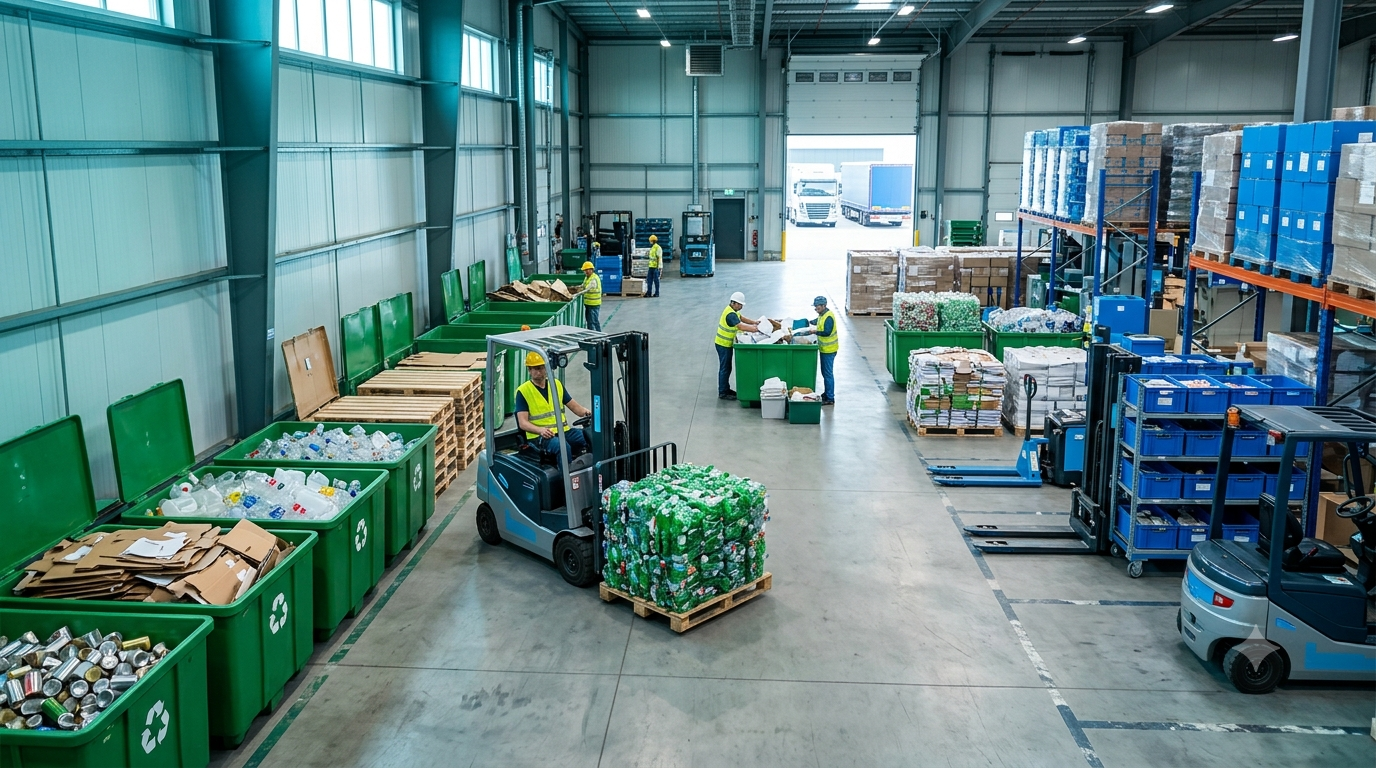
For clean, uncontaminated organic materials such as food waste and biodegradable packaging, composting converts material into useful soil amendment rather than sending it to landfill. It is one of the most sustainable options for appropriate materials.
Anaerobic Digestion
This process breaks down organic material in the absence of oxygen, generating biogas that can be used as energy along with a nutrient-rich digestate. It is well suited to food and organic waste streams.
Recycling and Material Recovery
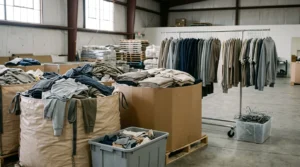
For electronics, textiles, and certain packaging, recovering materials keeps them in use and out of landfill. Apparel, for example, can often be diverted to fiber recycling where brand protection requirements permit.
Waste-to-Energy
For materials that cannot be recycled or composted, waste-to-energy processing captures energy value rather than simply burying the material, reducing landfill contribution.
Balancing Sustainability and Brand Protection
Sustainability cannot come at the expense of brand protection. Branded apparel diverted to recycling, for example, must be handled so that intact branded items cannot be diverted and resold. The solution is to combine sustainable methods with proper controls and documentation. Where brand protection requirements permit, material can be diverted to recycling or composting while still being processed securely and documented with a Certificate of Disposal.
This means a business does not have to choose between protecting its brand and meeting its sustainability goals. The right disposal program delivers both.
Documentation Still Matters
Sustainable disposal is not an excuse to skip documentation. In fact, documentation becomes even more valuable, because it allows you to demonstrate your sustainability efforts. A Certificate of Disposal that records the method used, including composting, recycling, or anaerobic digestion, provides evidence for sustainability audits and ESG reporting, in addition to the usual compliance and tax benefits.
Choosing the Right Approach
The most sustainable disposal program is one that matches each material to its lowest-impact compliant method: composting clean organics, recycling recoverable materials, and reserving incineration for materials that genuinely require it. A disposal partner that offers the full range of methods can structure a program that maximizes diversion from landfill without compromising compliance or brand protection.
Dispose Sustainably and Compliantly
At inventorydisposal.com, we help businesses reduce the environmental impact of inventory disposal through composting, recycling, anaerobic digestion, and waste-to-energy, wherever regulatory and brand requirements permit. Every project includes a Certificate of Disposal documenting the method used. Contact our team to build a disposal program that meets both your compliance and sustainability goals across all 50 states.