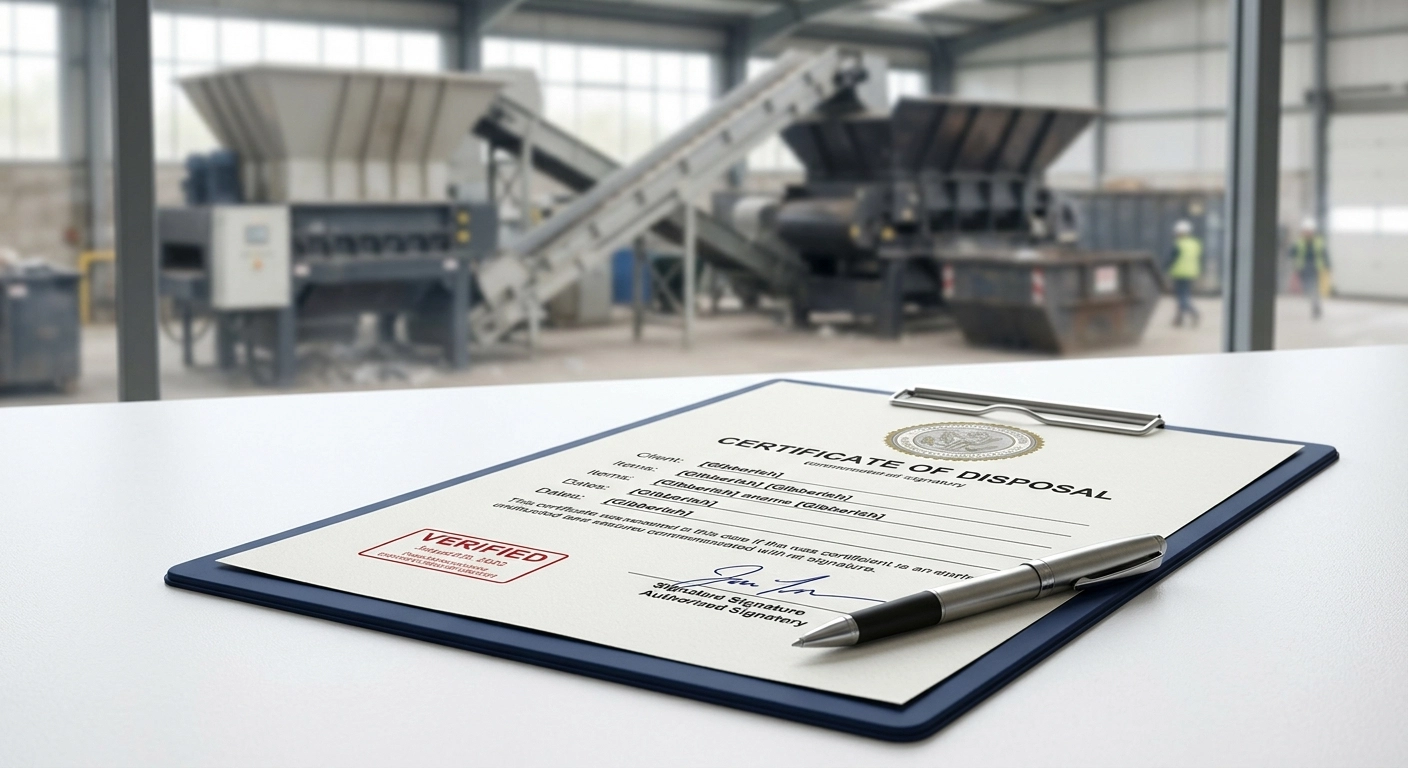
What Is a Certificate of Disposal and When Does Your Business Need One?
Disposing of unsellable inventory is only half the job. The other half is being able to prove it happened, in the right way, at the right time, and to the…

Returns are now a permanent operating cost rather than an occasional exception, and a meaningful share of returned product never goes back on a shelf. Opened packaging, missing components, hygiene…
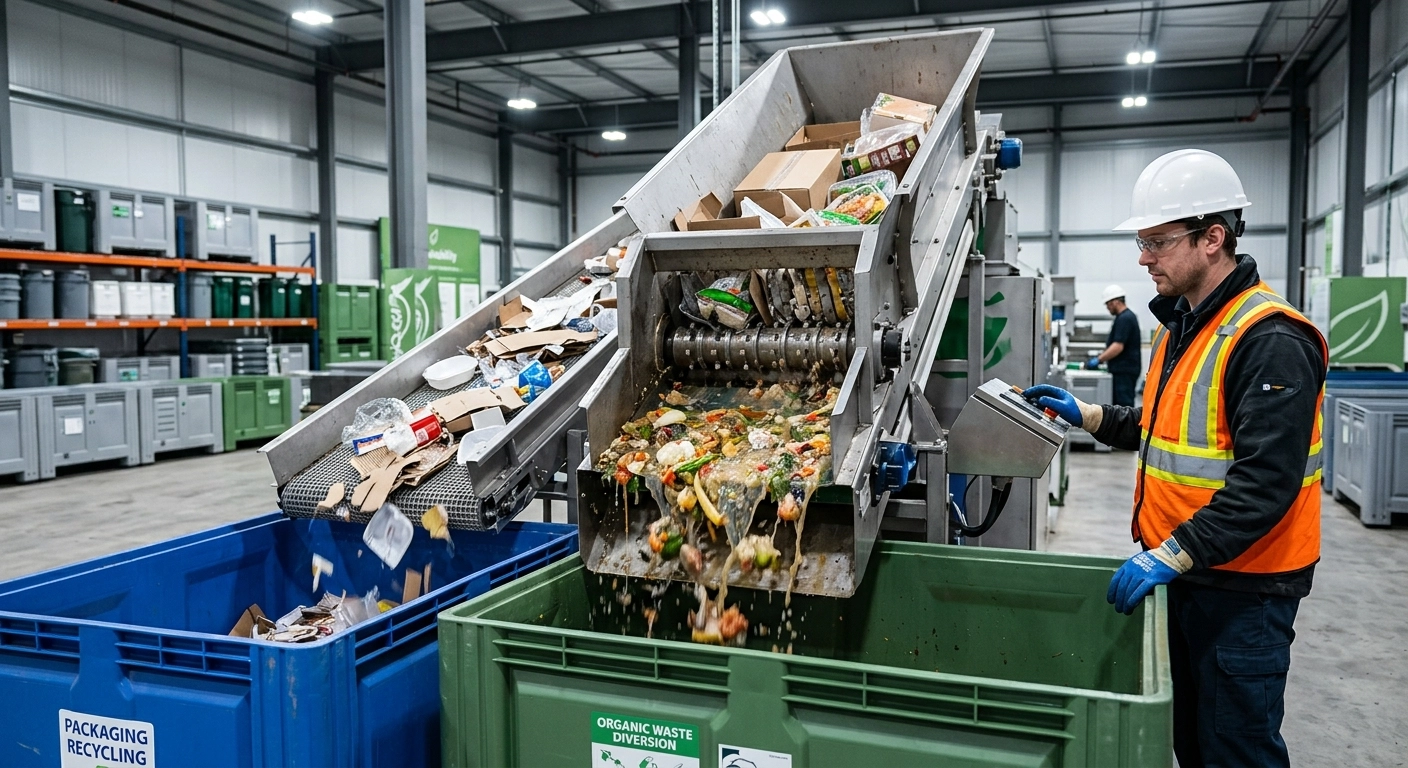
Food inventory generates disposal problems that other categories do not. It spoils on a schedule, it arrives packaged in materials that need separating, it is subject to recall and food…
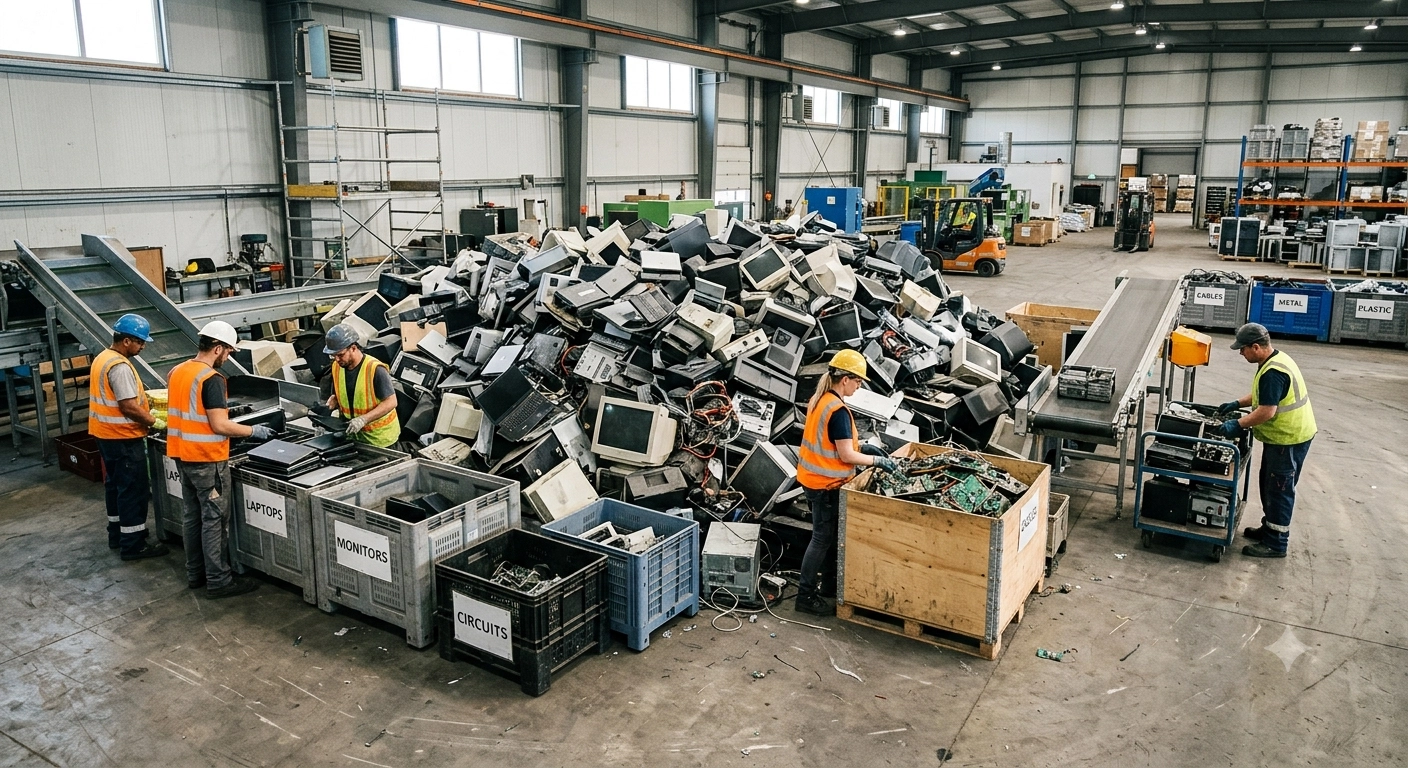
Electronics are the one category where disposing of inventory incorrectly can create three separate problems at once: an environmental violation, a data breach, and a product that resurfaces in a…
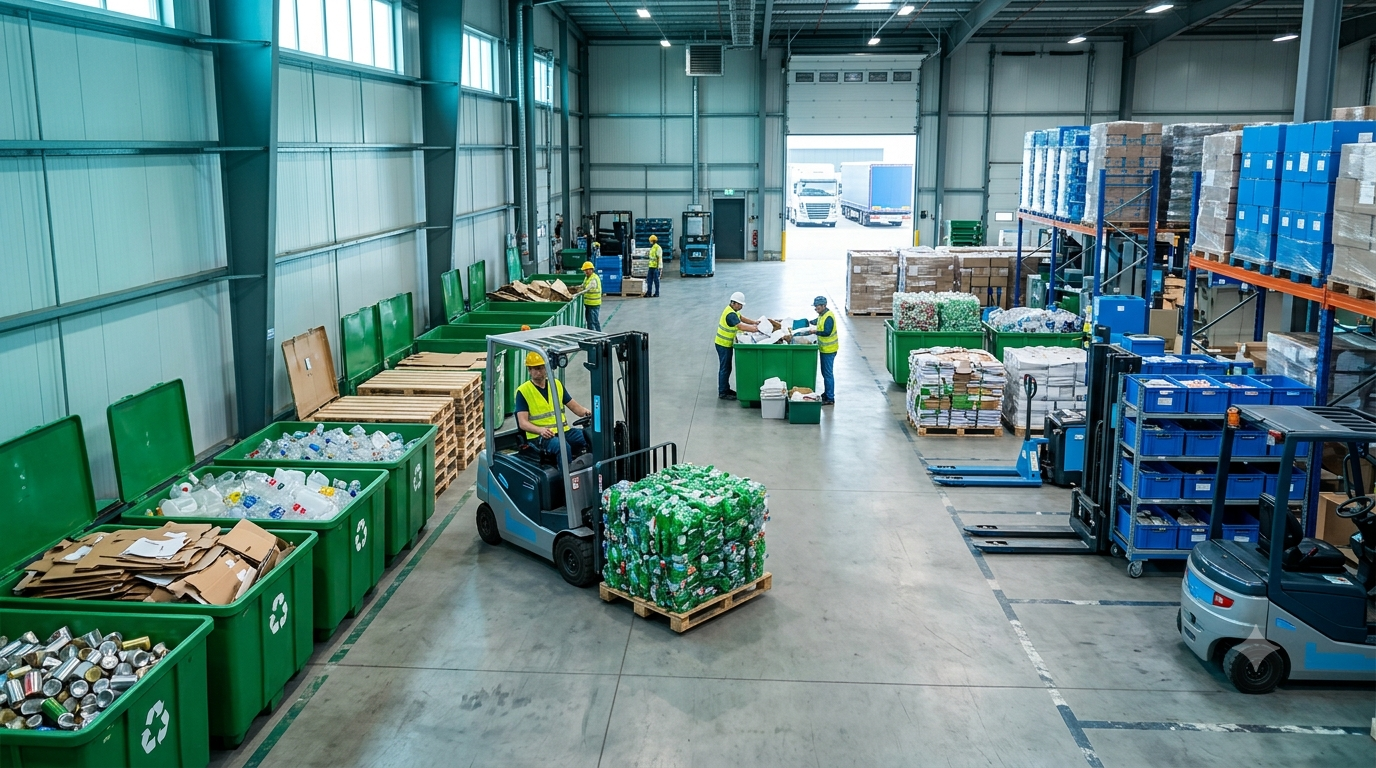
For a growing number of businesses, how inventory is disposed of is no longer just a compliance question. It is a sustainability question. Investors, customers, and regulators increasingly expect companies…
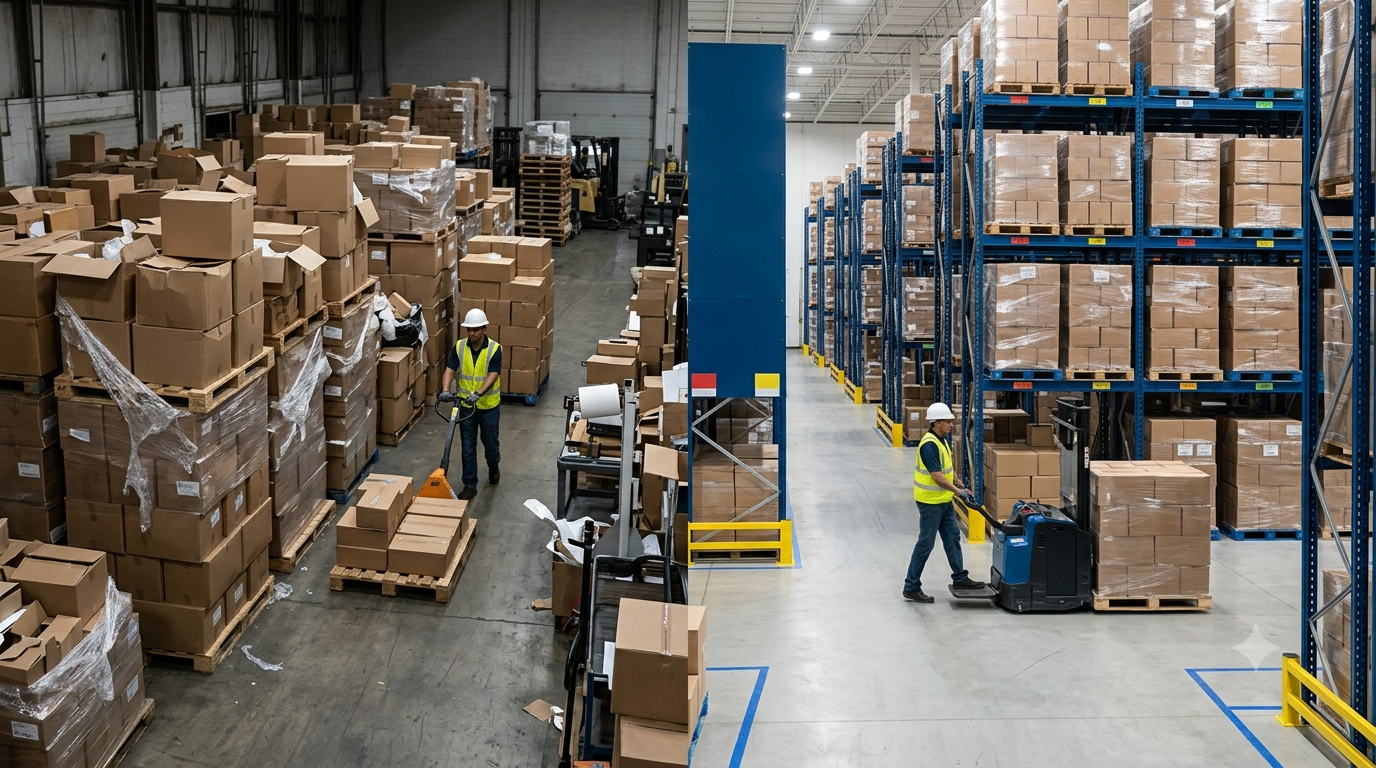
Warehouse space is expensive, and few things waste it faster than accumulated unsellable inventory. Discontinued lines, excess production, damaged goods, expired stock, and returns can pile up over time until…
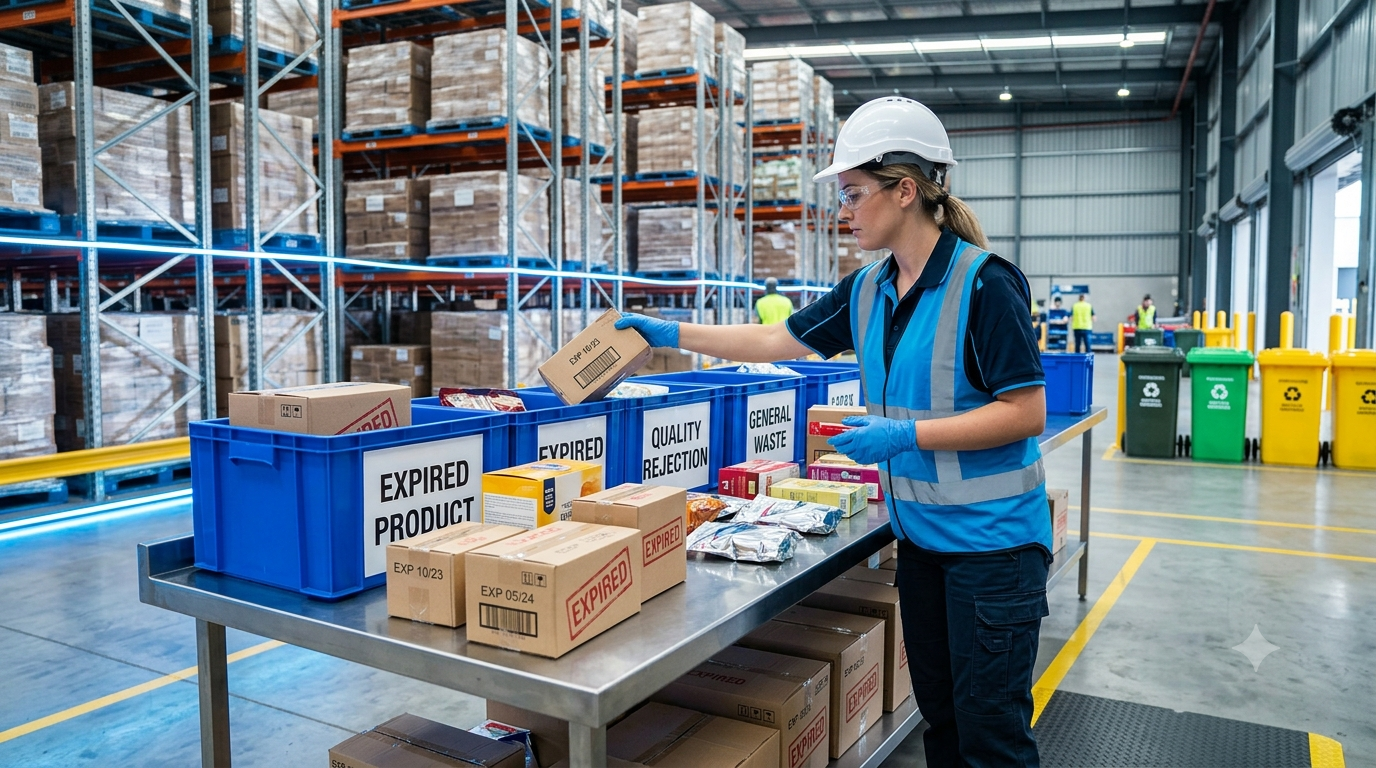
Expired inventory is one of the most underestimated liabilities in any product-based business. It is easy to think of expired stock as simply worthless, a write-off to be cleared whenever…
Every business that holds physical inventory eventually faces the same problem: stock that can no longer be sold and needs to leave the building. It might be expired, damaged, discontinued,…