
Disposal quotes for what look like identical projects can differ by a factor of three. That variation is not arbitrary, but the reasons behind it are usually invisible from the outside, which makes comparing quotes frustrating and makes budgeting harder than it should be.
This guide explains what actually moves the number, how quotes are normally structured, and what you can do on your side to bring the cost down.
What Drives the Price
Volume and Density
Light, bulky loads price on the space they occupy. Dense loads price on weight. A truckload of foam packaging and a truckload of ceramic tile cost different amounts to move and to process, even though both are one truck.
Product Category
General merchandise is the baseline. Food requires depackaging and organic routing. Electronics carry data and battery considerations. Regulated categories carry additional handling and documentation requirements. Each step up adds cost for real reasons rather than as a surcharge.
Processing and Sorting Labor
This is the single most underestimated factor. A single-SKU pallet is fast. A mixed pallet of returns containing forty product types, several material streams, and a few battery-containing items is slow, and labor is what you are paying for. The shredding is rarely the expensive part.
Location and Distance
Transport is a meaningful share of most quotes. Distance to an appropriate receiving facility, dock access, whether a liftgate is needed, and whether the site can take a full trailer all affect the total.
Documentation and Verification
Standard documentation is normally included. Itemized SKU-level reconciliation, witnessed disposal, or recorded verification add cost, and are worth it on projects where the record matters more than the disposal.
Timeline
Scheduled work priced against normal capacity is cheaper than an emergency clearance booked for the day after tomorrow. If you have a lease deadline or an audit date, the earlier the conversation starts, the lower the number.
How Quotes Are Usually Structured
Most disposal work is priced per pallet, per pound or ton, per truckload, or as a fixed project fee. Which structure is used depends on the load, and none of them is inherently better. What matters is that the quote states what is included.
A comparable quote covers transport, processing, disposal or recovery fees, and documentation. A quote that covers only processing looks cheaper and is not, because the transport shows up separately later.
Why the Cheapest Quote Is Often the Most Expensive
Low quotes usually achieve the number by narrowing the scope. Common patterns include excluding transport, excluding sorting labor and charging it hourly on the day, pricing on an assumed weight and reweighing on arrival, and providing a generic disposal note instead of documentation that will satisfy an auditor.
Ask what happens if the load is heavier than estimated, what happens if regulated items are found in it, and exactly what document you receive at the end. The answers separate real quotes from optimistic ones.
What to Send When Requesting a Quote
- Pallet count, approximate dimensions, and estimated weight
- Product categories and rough proportions of each
- Packaging types, including whether product is boxed, shrink-wrapped, or loose
- Any regulated, battery-containing, aerosol, or liquid items in the load
- Site access details: dock, liftgate requirement, trailer capacity, and hours
- Your timeline and any fixed deadline
- What documentation you need at the end
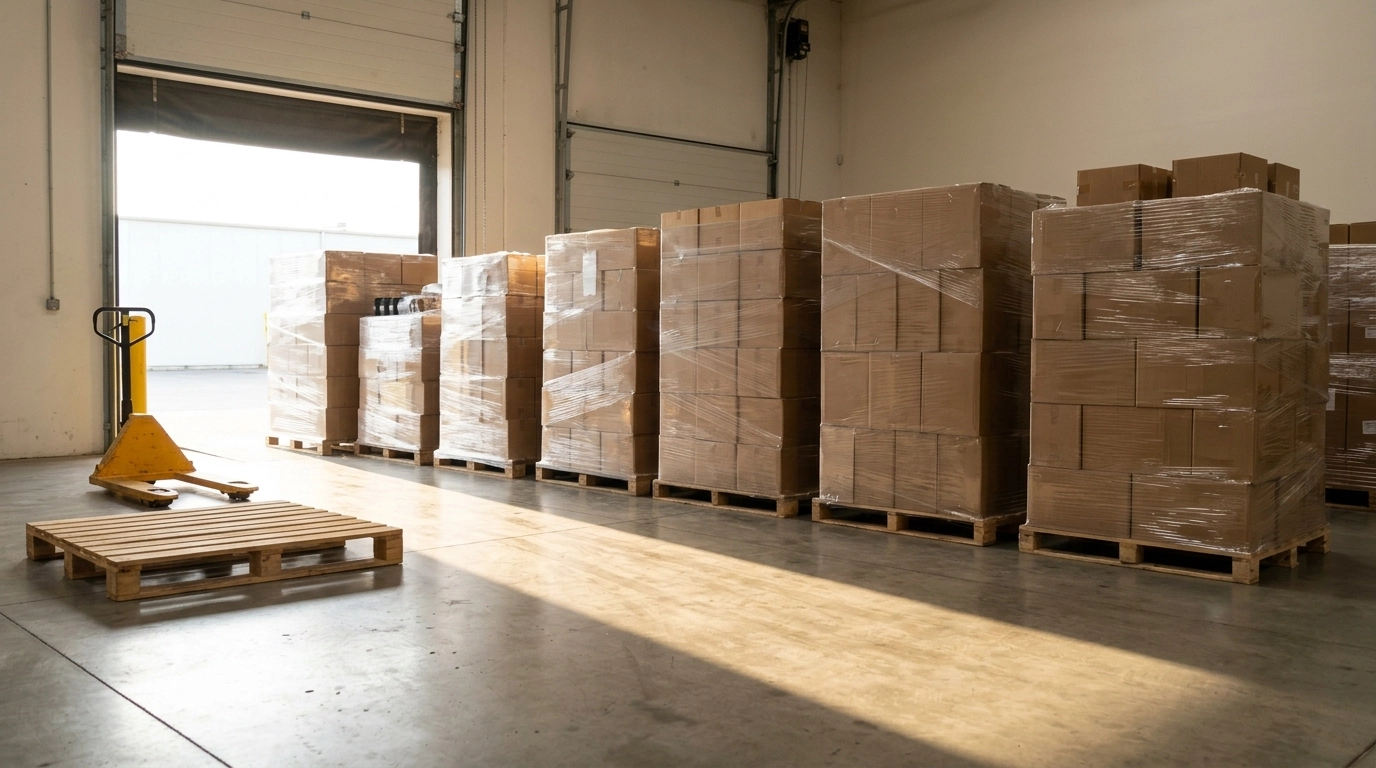
Photographs of the actual pallets are worth more than any description. Five minutes with a phone usually produces a tighter quote than a paragraph of text.
Ways to Reduce the Cost
- Consolidate several small clearances into one scheduled project instead of repeated small pickups
- Palletize and stage the material before pickup rather than having it collected loose
- Segregate obvious categories in advance, particularly batteries, aerosols, and liquids
- Avoid expedited scheduling by deciding earlier in the cycle
- Provide accurate weights so the quote does not need a contingency built into it
Get a Quote Based on Your Actual Load
At inventorydisposal.com, projects are quoted against the real volume, category mix, and site access rather than a generic rate card, with transport, processing, and documentation stated up front.
Contact our team today for a fast quote and compliant inventory disposal across all 50 states.