Pharmaceutical inventory reaches the end of its useful life constantly. Product expires on the shelf, a lot is quarantined, a formulation is discontinued, packaging is damaged in handling, or a distributor returns stock that has been out of temperature control. What follows is where businesses get into trouble, because pharmaceutical disposal is not one process. It is three, and mixing them up is the most common and most expensive mistake in the category.
The Drain Is Not an Option
Flushing or pouring pharmaceuticals down a drain used to be routine practice. It is now specifically prohibited for a wide range of businesses. Under the EPA hazardous waste pharmaceuticals rule, finalized in February 2019 with the sewer prohibition taking effect in August 2019, healthcare facilities and reverse distributors are barred from discharging hazardous waste pharmaceuticals into a sewer system that passes through to a publicly owned treatment works.
The prohibition applies regardless of how small a generator the facility is. The practical guidance most compliance teams settle on is simpler than the rule: treat the drain as off limits for every pharmaceutical, hazardous or not. Local sewer authorities impose their own restrictions on top of the federal rule, and the cost of segregating correctly is trivial next to a discharge violation.
Three Streams, Three Different Sets of Rules
Non-Hazardous Pharmaceuticals
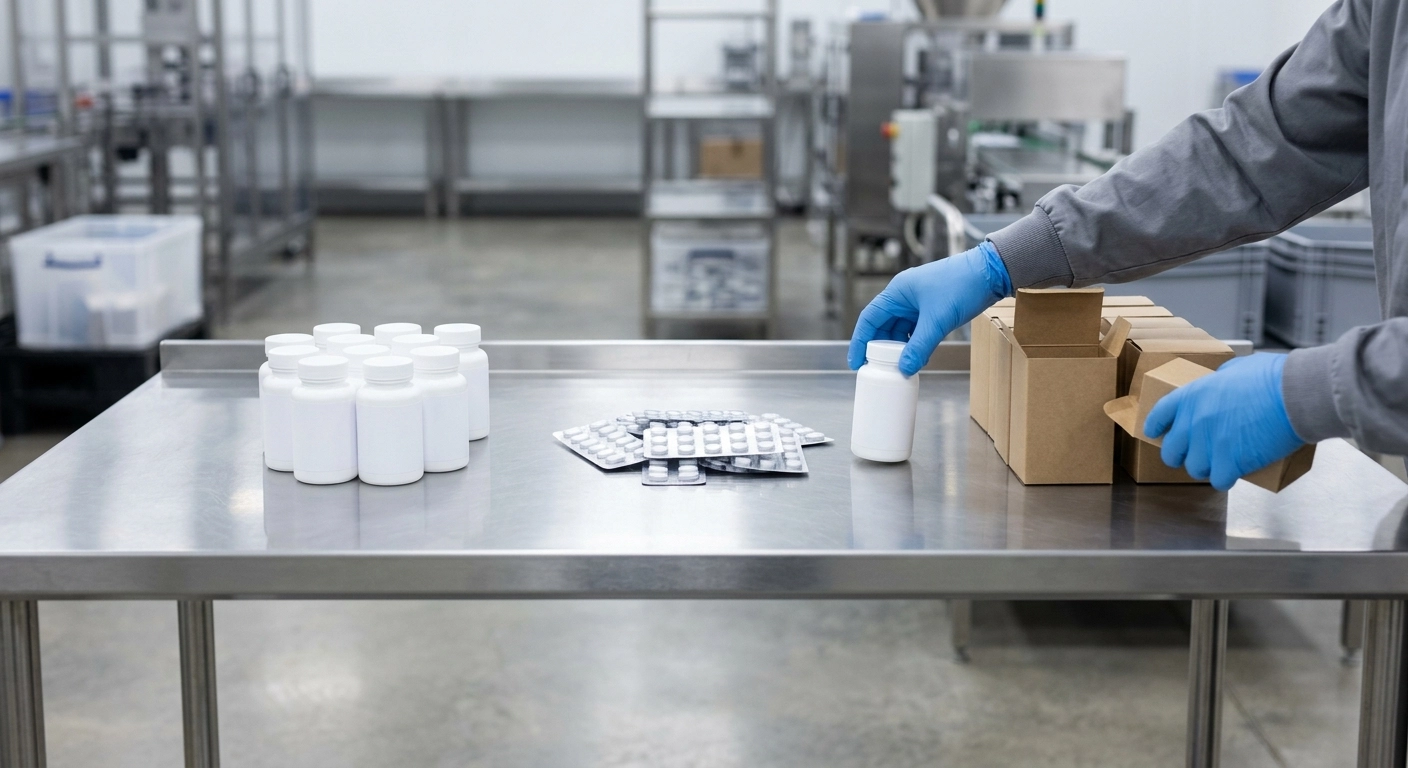
Most over-the-counter products and a large share of prescription items are not hazardous waste. They still cannot go into a dumpster or a compactor, because intact, labeled medication in a waste stream is both a diversion risk and a public health issue. These are routed through appropriate waste channels, most commonly incineration, with weights and quantities documented.
Hazardous Waste Pharmaceuticals
A subset of pharmaceutical products meet RCRA hazardous waste characteristics or appear on hazardous waste listings. Nicotine products and warfarin are the examples that come up most often in retail and distribution settings. These are segregated and managed under the applicable hazardous waste requirements, with manifesting where required.
Controlled Substances
DEA-scheduled products sit under an entirely separate framework. Destruction has to render the substance non-retrievable, and the handling, transport, and record requirements are set by DEA rather than EPA. This normally means routing through a DEA-registered reverse distributor, and it means controlled and non-controlled product cannot simply be combined into one container for convenience.
Reverse Distribution Is Not the Same as Disposal
Reverse distribution exists to recover manufacturer credit on product that still qualifies for it. Broadly, unused and unadministered product that is unexpired or only recently past its expiration date may be creditable. Product that has been removed from its original container, has been long expired, or has been through unknown storage conditions generally is not.
Businesses routinely send non-creditable stock to a reverse distributor out of habit and then pay handling fees on material that was never going to generate a credit. Sorting the creditable from the non-creditable before anything ships is a straightforward way to cut cost, and the non-creditable portion goes directly to disposal instead.
Where Businesses Get It Wrong
- Pouring liquids or reconstituted product down a drain or into a sink
- Combining controlled substances with non-controlled product in a single container
- Putting over-the-counter stock into a general dumpster because it is not prescription product
- Failing to segregate the hazardous fraction, which pulls the whole load into a stricter category
- Sending non-creditable product to a reverse distributor and paying to move waste
- Accepting a hauler assurance that everything was handled correctly, with no document to show for it
What Documentation You Should Receive
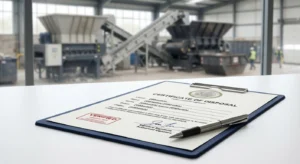
At minimum: a manifest where the material requires one, chain-of-custody records covering each transfer, weights or unit counts confirmed at the receiving facility, and a Certificate of Disposal identifying the product, quantity, method, date, location, and responsible facility.
For controlled substances, retain the disposal record alongside your DEA recordkeeping rather than in a general operations file. The two are reviewed together, and a record nobody can locate is the same as no record at all.
Get Pharmaceutical Inventory Handled Correctly
At inventorydisposal.com, pharmaceutical and OTC disposal projects are handled with stream segregation, appropriate routing for each category, chain of custody from pickup onward, and a Certificate of Disposal issued on every project.
Requirements vary by product, by facility type, and by state, so confirm what applies to your inventory with your compliance team before scheduling. Contact our team today for a fast quote and compliant pharmaceutical disposal across all 50 states.